


For my doctorate in anthropology, I spent several years walking through the marginalized neighborhoods of Medellín, in Colombia, and collecting the life histories of death squad members and interviewing guerrilla commanders in high-security prisons.
I would sit down with them and listen to their stories of violence and to the circumstances that had led them to embrace a life of violence. Year after year, I built a map of violence in my mind and became familiar with it.
Then, one afternoon, I walked through those same barrios with a congressional representative from the United States. On his agenda was a meeting with local leaders who had resisted the logic of violence by appealing to culture and the arts.
Those were young men or women who were of similar age to the death squad members I had previously met. They were born in the same circumstances. Their personal stories developed in the same milieu.
And yet they shared an entirely different tale. It was a tale of hope and of resistance. I remember in particular a very enthusiastic, sharp young man who shared how he had become a leader at his high school, promoting participation and dialogue among his peers. Of how he had created a collective of mural artists who chose art over weapons.
I was deeply impressed by their stories. But I was also disturbed. How had I failed to see these young leaders all those years?
They shared the same streets as the death squad members I was studying. They often lived next door to one another. Yet they had been almost completely absent from the map I had been assembling in my mind.
I hadn’t missed them because information was unavailable. I had missed them because I wasn’t looking for them. The question guiding my research illuminated one reality while making another almost invisible.
That experience was an eye-opener.
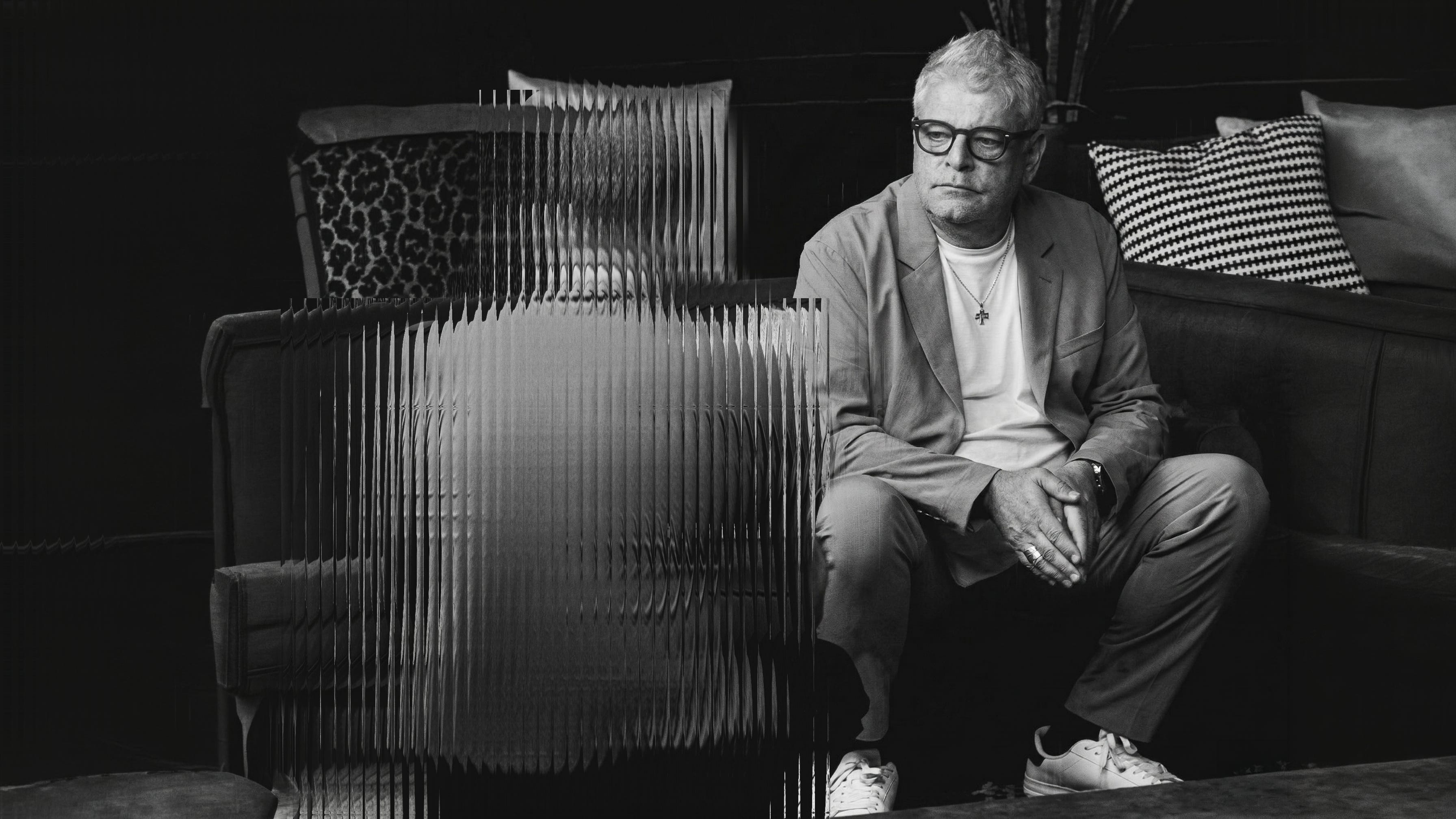
The question that changed the way I see
It led me to reconsider my entire approach to that analysis, to ask myself questions around agency, intentionality, freedom of choice and conditioning, and the role of emotional trauma in our decisions.
It also allowed me to see the very people I had been studying through a different lens. I asked them new questions, which allowed me to realize that most of them had been victims of violence before becoming perpetrators.
Changing the questions didn’t only allow me to see people I had previously overlooked. It allowed me to see the people I thought I already understood in a different light.
That question has followed me into very different rooms ever since.
I have carried it into ceasefire negotiations between the Colombian government and an armed insurgency; into a company trapped for years in a stalemate with its union; into organizations attempting to transform their cultures; and into private conversations with CEOs trying to navigate profound technological and organizational change.
The circumstances differ. The question remains remarkably useful: What are we not seeing yet?
The more responsibility we carry, the more consequential our blind spots become.
A blind spot in our private lives can damage a relationship. In a CEO, it can shape an organization. In a political leader, it can affect millions of lives.
On learning to see beyond the maps we mistake for reality
Over the years, I came to understand something else. Our maps aren’t built only from information. They are built from biography.
Fear, ambition, trauma, culture, religion, success and failure; they all draw mental maps. So do loyalty, identity, status, and desire.
And because these forces operate largely outside our awareness, the question, “What am I not seeing?” eventually leads to another:
Who inside me is doing the seeing?
Every leader knows the outer boardroom—the place where strategies are discussed, numbers examined, disagreements negotiated, and consequential decisions made.
But there is another boardroom. The one within us.
On perception, human nature, and the invisible forces shaping our decisions
Around that table sit many characters: experience and ambition, fear and ego, loyalty and memory, intuition, the need for approval, the desire for control, our deepest values and convictions. They all have a seat. But they don’t all have the same voice.
Sometimes fear chairs the meeting while calling itself prudence. Ego can present itself as principle. The need for control can disguise itself as responsibility. Our hunger for recognition can masquerade as ambition. An old wound can have voting rights long after the circumstances that created it have disappeared.
And sometimes the quietest voice at the table is the one that already knows. This is what I call the Inner Boardroom.
Much of my work with leaders today happens at the intersection between these two boardrooms—the outer and the inner.
Someone may come to me with what appears to be a strategic problem: a difficult negotiation, a career transition, a conflict with a partner, a succession decision, or an organizational challenge. We work on the external reality, of course. But eventually, the conversation also moves inward.
Every strategic challenge eventually becomes a human challenge. And every human challenge eventually asks something of the person facing it.
The question is no longer simply, “What should I do?” Other questions begin to emerge: What is happening inside me as I try to decide? Which assumptions am I treating as facts? What truth am I reluctant to acknowledge?
And eventually, What am I not seeing?
A Place to Think
This is why I created The Inner Boardroom.
We live in a world with no shortage of information. We have access to more data, opinions, analysis, advice, and increasingly artificial intelligence than any generation before us.
What feels increasingly scarce is something else:
a place to think.
A place to step away from the velocity of our lives. To suspend the pressure to provide an immediate answer. To examine the maps through which we are interpreting reality. To notice the assumptions we have stopped questioning. To listen to the quieter voices around our inner table.
I don’t want The Inner Boardroom to become another source of leadership content competing for your attention. There is enough content in the world.
My aspiration is different. Once a week, I want us to stop.
Here I will write about leadership and power, but also about human nature and the inner life. I will draw from anthropology, negotiation, psychology, history, contemplation, literature, and from the extraordinary human beings and situations I have had the privilege of encountering over the past thirty years.
I don’t expect every letter to provide an answer. In fact, I have become increasingly suspicious of our obsession with answers. Some questions need to be carried rather than solved.
They need space, silence, time to work on us. That is what I mean by a place to think.
And perhaps there is no better place to begin than with the question that has followed me through so many rooms for the past two decades.
Think about a situation in your life or work that matters to you right now. It might be related to a decision, a relationship, a transition, or a problem you have been trying to solve.
Before asking, “What should I do?”, try asking something else: “What am I not seeing?”
Welcome to The Inner Boardroom. Take a seat.
If this letter made you think, consider sharing it with someone who might want to think with us—or restack it here.
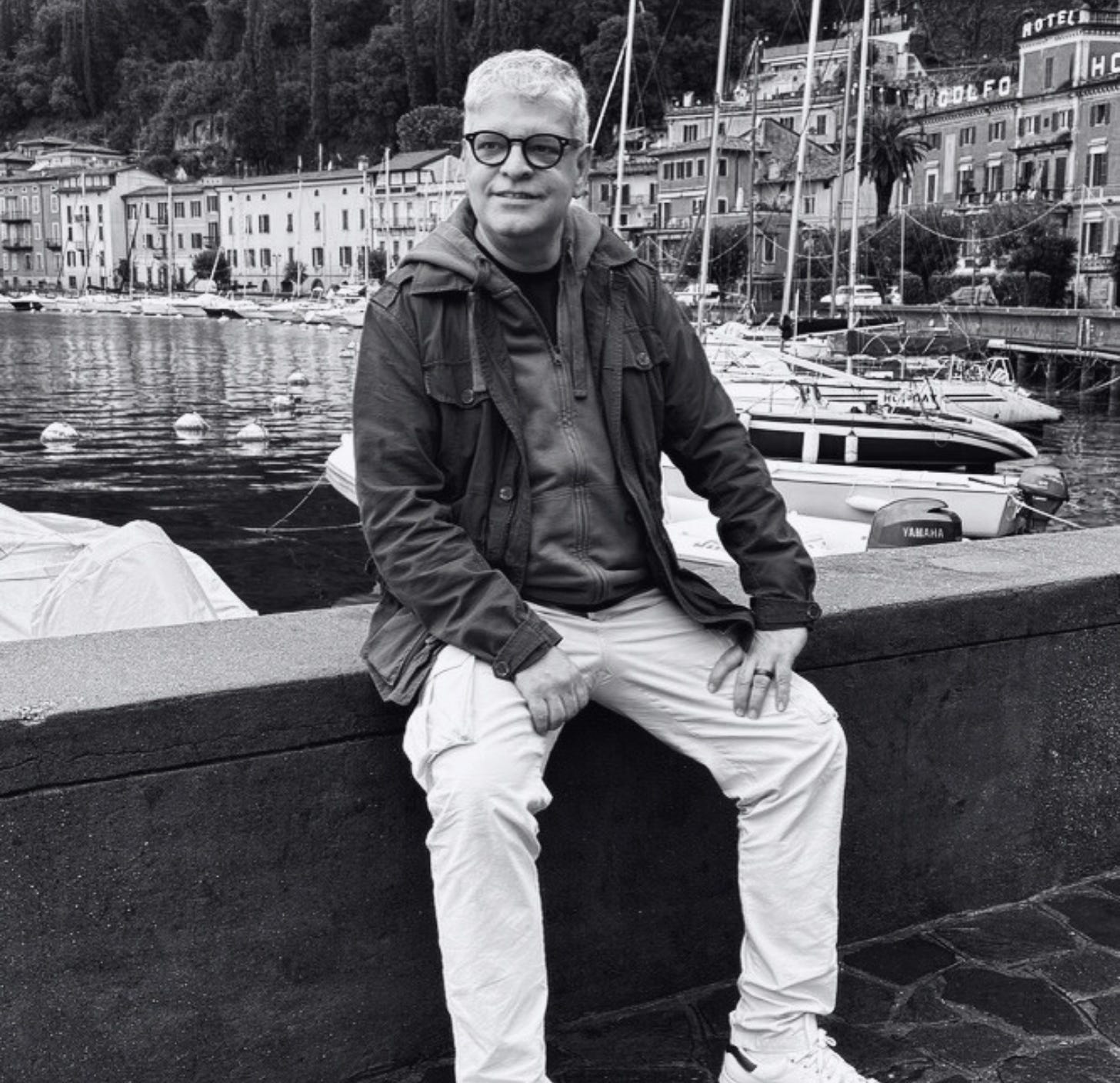
Dr. Aldo Civico is an anthropologist, author, and strategic leadership advisor to CEOs, entrepreneurs, and leaders navigating consequential decisions and transitions. A Columbia University Ph.D. and former director of its Center for International Conflict Resolution, he has spent three decades working at the intersection of leadership, conflict, power, and human nature. The Inner Boardroom is his weekly exploration of what we might not be seeing.
Work with me
I work privately with a small number of leaders navigating consequential decisions, transitions, and complex human challenges.